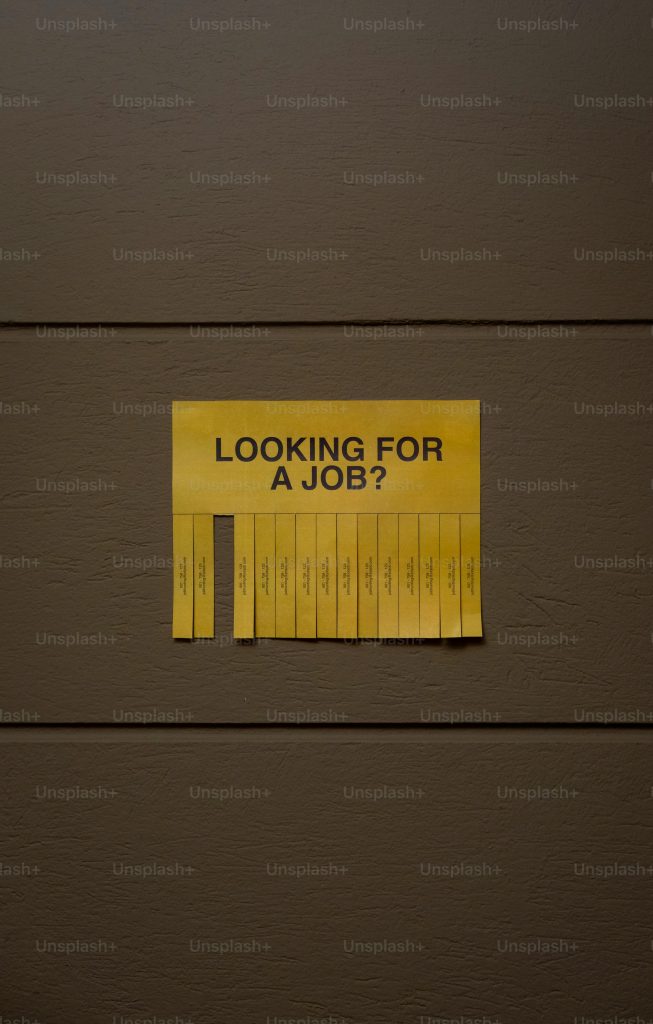
Only 47% of workers in the U.S. and Canada said in 2025 that it was a good time to find a job, according to Gallup’s State of the Global Workplace 2026 report. If you have been opening job boards, saving roles, and then doing nothing with them, that number explains why. A shaky market makes every career decision feel heavier. An AI career coach can help you stop circling the same question and make your next move with more clarity.
That matters because most people are not fully lost. They usually know what is wrong. The role is too small, the manager is not developing them, the pay has stalled, or the work no longer feels worth the energy. The real problem is uncertainty. You are not just asking, “Should I leave?” You are also asking, “What if I leave too early, choose badly, or lose momentum?”
Why career decisions feel harder when the market feels shaky
When confidence in the job market drops, people do not just become cautious. They become vague. They tell themselves they will “look around,” but never define what a good next move actually is. That creates a frustrating loop: endless scrolling, half-finished applications, and no real progress.
A career coach helps because they turn uncertainty into decisions. Instead of debating your future in your head for three weeks, you break the problem into smaller questions:
- Am I trying to escape a bad season, or is this role genuinely no longer a fit?
- What kind of role would actually move my career forward?
- What evidence do I already have that I am ready for that move?
Once those questions are clear, the job search becomes less emotional and more strategic.
What an AI career coach can help you do this week
A strong AI career coach is useful because it does more than give generic motivation. It helps you move from confusion to action in real time.
- Get honest about the decision. Maybe the issue is not the whole company. Maybe it is one broken responsibility, one compensation gap, or one missing growth path. Naming the exact problem stops you from making a dramatic move for the wrong reason.
- Sharpen your positioning. Most people undersell themselves because they describe tasks instead of outcomes. A coach can help you turn “managed projects” into “led a cross-functional launch that cut delays by 20%.”
- Create a smaller, smarter search plan. You do not need 40 random applications. You need a short list of roles, a stronger story, and a consistent weekly rhythm.
This is where AI has a real advantage. You can open a session when doubt hits, compare two job options, rewrite a weak LinkedIn summary, or practice how to explain your next move before a networking call. You do not have to wait for next week’s appointment to get unstuck.
A 20-minute reset for your career move
If your next step feels messy, try this simple reset today:
- Write one sentence that defines the move you want. Example: “I want a role with better growth, stronger pay, and less reactive work.”
- List three wins from the last 12 months that prove you are ready for more responsibility.
- Pick one target role and one target company type. Narrow beats vague.
- Choose one action for today: message one contact, tailor one resume, or save three roles that actually fit.
- Set a 30-minute review block for tomorrow so the search does not disappear again.
The goal is not to solve your entire career in one sitting. The goal is to replace spinning with evidence. Once you take one clear step, the decision starts to feel real instead of abstract.
Make your next move with less second-guessing
If you are tired of overthinking every career decision, Coach4Life’s Decision Coach is built for exactly this kind of moment. Use it to weigh a job change, clarify what role fits next, improve how you present your experience, and leave the session with a concrete plan. You can start free, get clear fast, and make your next move with more confidence than guesswork.
💬 Was did you think of this article?
Tell us what was missing or what you'd like us to cover in more depth.
✉️ Send feedback