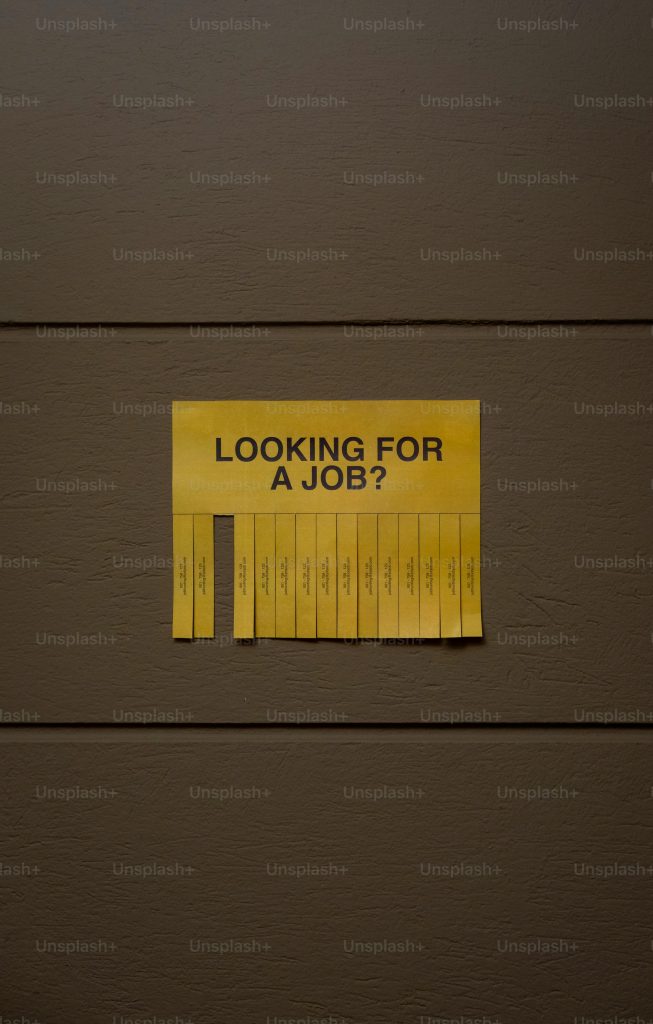
Only 28% of U.S. workers say now is a good time to find a quality job, according to Gallup’s Q4 2025 workforce survey. That number explains why so many smart people stay in roles that already feel too small, too draining, or too flat. If you want to move but do not want to gamble, a career coach helps you build a plan before frustration starts making decisions for you.
The hard part is not always knowing that something is off. Usually, you know. The hard part is separating a bad week from a real career pattern. One tense meeting can make you want to quit. One kind message from your manager can make you second-guess everything. Then you freeze, do nothing, and spend another month carrying the same question around.
Why career decisions feel heavier right now
When the market feels uncertain, people stop trusting their instincts. They think, “Maybe I should just be grateful I have a job.” Sometimes that is wisdom. Sometimes it is fear wearing a practical outfit.
A career coach gives you a better filter. Instead of reacting to your mood, you look at evidence:
- Is the problem temporary or structural? A rough quarter is different from a role that no longer fits your strengths.
- What are you actually missing? Better pay, better leadership, more growth, more meaningful work, or more control of your time?
- What kind of move would solve that? A promotion, a team change, a new company, or a full shift in direction?
That sounds simple, but most people skip it. They jump straight from discomfort to job boards. Then every vacancy starts to look either wildly exciting or deeply disappointing. Neither reaction is a good strategy.
What a career coach helps you clarify first
A strong career move starts with language. If you cannot explain what you want, it is hard to ask for it, search for it, or spot it when it appears.
This is where a career coach is useful. You can turn vague thoughts into practical decisions:
- What work gives you energy instead of draining it?
- Which achievements prove you are ready for more?
- What stories from your experience show leadership, judgment, and results?
- What are you no longer willing to tolerate in your next role?
An AI career coach can make this process faster. It can help you unpack messy notes, spot patterns in your experience, rewrite weak résumé bullets, and prepare for a conversation with your manager or a recruiter. Used well, it does not replace judgment. It sharpens it.
A practical 5-step reset before your next move
If your career has felt stuck lately, try this before you send another application:
- Write down three moments from the last 60 days when work felt good. Be specific. What were you doing? Who were you helping? What kind of problem were you solving?
- Write down three moments that made you feel smaller. Look for patterns, not drama. Repetition matters more than intensity.
- List five outcomes you created in the last year. Revenue influenced, projects improved, people supported, time saved, risks reduced. Evidence builds confidence.
- Choose one target direction. Not ten. One. A clearer role, a better level, or a different environment.
- Stress-test the move. What would make the next role genuinely better, not just newer?
By the end of that exercise, you usually know more than you think. You may realize you need to leave. You may realize you need to negotiate. You may realize the real issue is not the company but the shape of the role itself. All three answers are useful.
Make your next career move with more control
You do not need to solve your entire future this weekend. You need a clearer next step and a better way to think. That is exactly what a career coach is for.
If you want help sorting through the noise, try the AI Career Coach at Coach4Life. It can help you clarify what is wrong, define what better looks like, and turn your experience into a move you can explain with confidence. In a market where only 28% of workers feel optimistic, clarity is an advantage.
💬 Was did you think of this article?
Tell us what was missing or what you'd like us to cover in more depth.
✉️ Send feedback