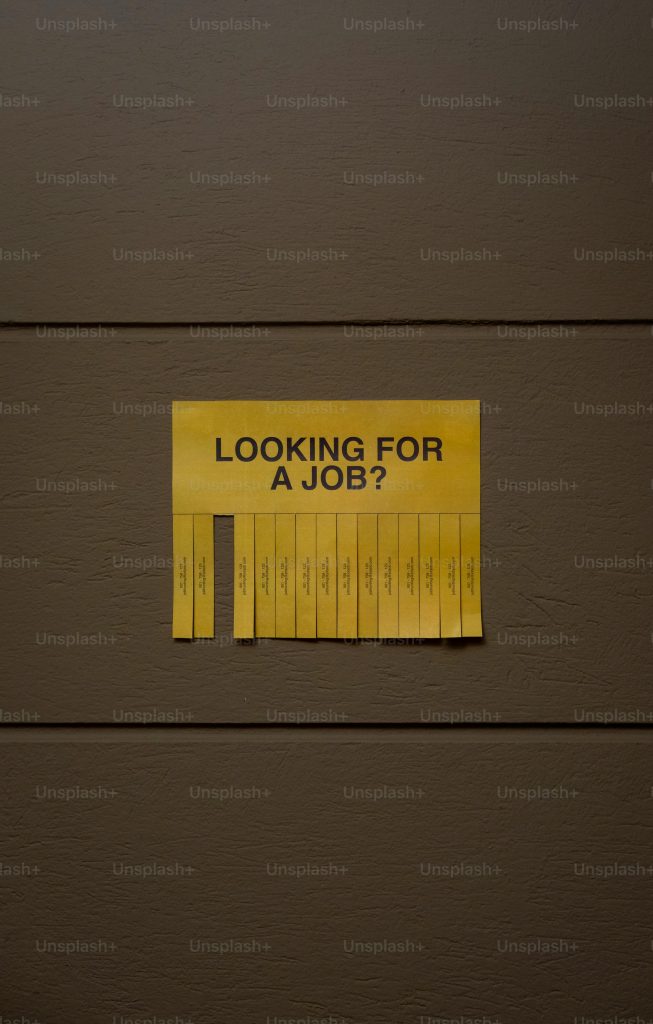
52% of employees said 2025 was a good time to find a job, according to Gallup. That sounds encouraging, until you notice what most people do next: nothing. They scroll job posts, second-guess their experience, and stay in the same role for another quarter.
That is exactly where an AI career coach can help. Not by making the decision for you, but by turning vague frustration into a practical next step.
Why career stuckness is usually a clarity problem
People often assume they are stuck because the market is bad, their résumé is weak, or they need one more certificate. Sometimes that is true. More often, the real issue is simpler: they cannot clearly answer three questions.
- What kind of role do I actually want next?
- What evidence do I already have that I can do it?
- What is the smallest smart move I can make this week?
Without those answers, even a healthy job market feels useless. You open LinkedIn, save five roles, compare yourself to stronger candidates, and close the tab.
What an AI career coach does better than random job searching
An AI career coach gives structure to the messy middle between “I need a change” and “I am ready to apply.” Instead of throwing generic advice at you, it helps you organize your thinking in real time.
1. It turns scattered thoughts into a direction
Maybe you know what you do not want anymore, but not what should replace it. A good coaching flow helps you spot patterns in the roles, projects, and work conditions that actually give you energy. That matters because career decisions made from frustration alone are usually weak decisions.
2. It shows you your value in plain language
Many capable people undersell themselves because their experience feels “normal” to them. An AI career coach can help translate daily work into outcomes: revenue protected, projects delivered, processes improved, clients retained, teams supported. That shift is small, but it changes how you write, interview, and negotiate.
3. It creates momentum fast
You do not need a complete five-year plan to make progress. You need one concrete move. That might be rewriting your headline, identifying three realistic target roles, preparing a better “tell me about yourself,” or reaching out to two people in your network. Momentum beats overthinking.
A simple 15-minute career reset
If your career has felt blurry lately, try this quick reset before you apply anywhere.
- Write down what is draining you. Be specific. “My job is bad” is useless. “I spend 70% of my week on reactive admin and have no ownership” is useful.
- List three moments from the last year when you felt effective. Look for patterns in the kind of work, pace, and responsibility.
- Name one role worth exploring. Not your forever role. Just the next credible step.
- Pick one proof point. Choose a result you can speak about clearly in an application or interview.
- Set one action for the next 48 hours. Update one section of your résumé, save five quality job ads, or practice one answer aloud.
This is where coaching helps most. It keeps the reset from becoming another private note you never use.
When to use an AI career coach
You do not need to wait until burnout or redundancy forces a change. Career coaching is most useful when you are functional on the outside but quietly drifting on the inside. If you are doing fine on paper yet feel misaligned, bored, or underused, that is enough reason to act.
The goal is not to quit impulsively. The goal is to get clear enough that your next move is based on evidence, not emotion.
Make the next move easier
If you are tired of circling the same career questions, use Coach4Life to think through your next step with an AI career coach. You can map your options, sharpen your positioning, and build momentum without waiting for a full crisis first.
Clarity rarely arrives on its own. Most of the time, you build it by asking better questions and acting before doubt gets another week.
💬 Was did you think of this article?
Tell us what was missing or what you'd like us to cover in more depth.
✉️ Send feedback