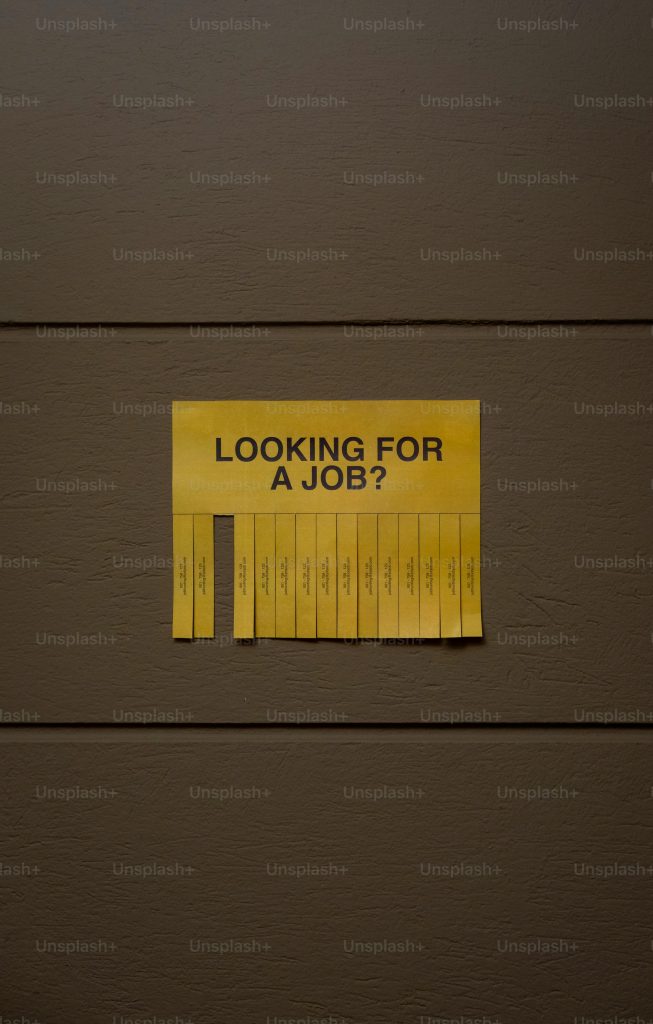
James spent six months applying to job ads. Tailoring his resume, writing cover letters, refreshing his inbox every morning. Three interviews. Zero offers. What he did not know was that the roles he actually wanted were being handed to people his target companies already knew — long before a posting ever went live.
What the Hidden Job Market Actually Is
The hidden job market is not a conspiracy. It is simply this: most hiring decisions are made before a position is ever posted.
A manager knows they need someone six months before HR signs off on a job ad. They ask their network first. A colleague gets promoted and their old role is quietly offered to someone the team already trusts. A company meets a sharp candidate at a conference, keeps them in mind, and calls when the timing is right.
According to LinkedIn research, up to 70% of roles are filled through networking before they ever appear on a job board. That means the competition you are fighting on Indeed and LinkedIn Jobs is happening for the positions nobody else wanted to fill internally.
Why Your Resume Alone Will Not Get You There
Your resume is a filter — not a magnet.
It helps you pass a screening. It does not make someone think of you at the right moment. In the hidden job market, where the conversation happens before any posting exists, you are invisible if you are only applying.
The candidates who land the best roles are not always the most qualified. They are the most visible to the right people at the right time. That is a solvable problem — but not with a better resume.
3 Moves That Open the Hidden Market to You
1. Get specific about who you want to work for
Stop targeting industries. Target companies. Make a list of 15–20 organizations where you would actually be excited to show up. Research them. Follow their news. Understand what problems they are trying to solve this year. This specificity gives you something real to talk about — and a genuine reason to reach out.
2. Have conversations before you need a job
This is the move most professionals avoid until they are desperate. Do not wait until you are unemployed to start connecting. Reach out to people in roles you respect. Ask about their work, not about openings. Build real familiarity — not transactional “can you get me a job” outreach. One genuine conversation per week compounds faster than 20 cold applications.
3. Make your expertise findable
If someone searches your name after meeting you, what do they find? The people who land hidden-market opportunities show up consistently — on LinkedIn, in conversations, occasionally in writing — as someone worth knowing. You do not need to be famous. You need to be credible and recognizable to your specific target audience.
Where Most Professionals Go Wrong
They optimize exclusively for the public market. They polish their resume, keyword-stuff their LinkedIn headline, and apply to 50 roles per week wondering why nothing comes back.
The hidden market rewards a completely different set of behaviors: proactive relationship-building, clear positioning, and showing up before a vacancy exists. It rewards consistency over desperation.
Your Move This Week
Pick one company from your target list. Find one person there who does work you genuinely respect — a department head, a team lead, someone whose career path you would like to understand better. Send them a short, honest message. Not asking for a job. Asking for a 20-minute conversation about their experience.
That is it. One conversation. That is how this starts.
If you are ready to build a career strategy that goes beyond job boards, your AI Career Coach can help you map your target companies, sharpen your positioning, and land the conversations that open real doors.